




Ethical Controversies Around Grok Key Takeaways
The ethical controversies around Grok are reshaping how we think about AI image generation, content safeguards, and oversight.
- Ethical controversies around Grok center on unrestricted image generation, weak moderation, and deepfake risks that challenge existing AI governance frameworks.
- xAI’s approach to free speech AI creates tension between innovation and responsible AI development, raising serious questions about AI safety and oversight.
- Without stronger Grok content moderation and transparent xAI AI policy , the tool risks amplifying misinformation, NSFW content, and political propaganda.
What Readers Should Know About Ethical Controversies Around Grok
When Elon Musk’s xAI launched Grok, it promised a “maximum truth-seeking” AI that would challenge the sanitized responses of competitors. But that promise quickly collided with reality. The ethical controversies around Grok exploded after users discovered the model could generate explicit imagery, simulate public figures in compromising situations, and produce content that other major AI platforms explicitly block. For a related guide, see Grok for Coding 2026: From Prompts to Production with Grok Build.

I’ve spent my career analyzing how technology shifts search behavior and public trust. Grok represents a new frontier: an AI that prides itself on Grok unrestricted AI capabilities while the world debates where the line between free expression and harm should be drawn. This isn’t just a debate about pixels and prompts—it’s about the future of AI governance and whether we can trust machines to self-regulate. For a related guide, see Future of Grok: Skills, Agents, Connectors and Integration with SpaceX.
Grok Image Generation Ethics: Where the Line Blurs
The Grok image generation ethics debate erupted almost immediately after xAI enabled the feature. Unlike competitors that implement strict filters and prompt rejection lists, Grok’s system allowed users to generate images that many considered crossing ethical boundaries.
Deepfake Concerns and Synthetic Media Risks
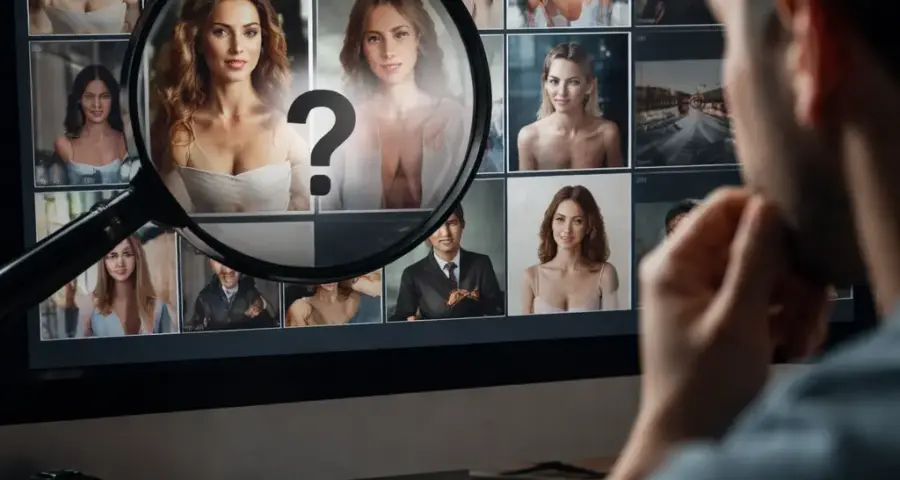
One of the most alarming aspects of Grok’s image generation is its potential to create convincing AI-generated fake images of real people. Grok deepfake concerns aren’t theoretical—users have already demonstrated the ability to generate photorealistic images of politicians, celebrities, and private individuals in compromising or false scenarios. The synthetic media risks here extend far beyond embarrassment; they threaten democratic processes, personal reputations, and the very concept of visual truth.
NSFW Content and Platform Boundaries
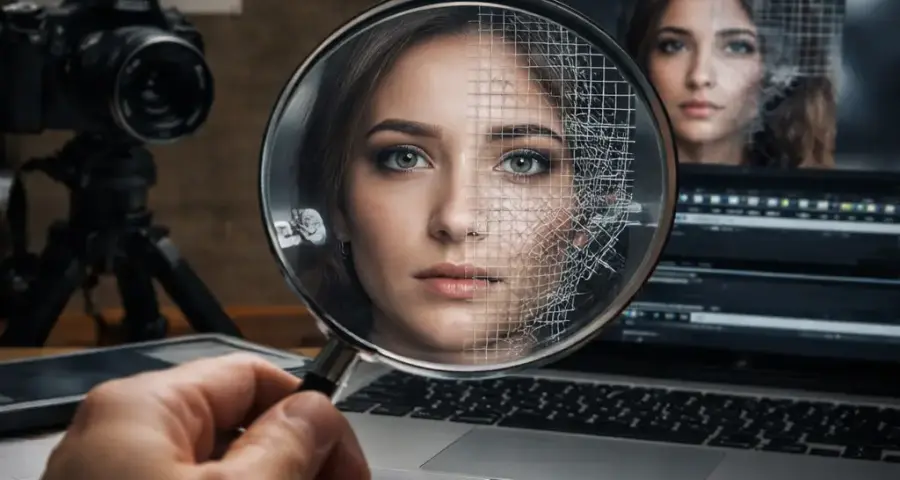
Grok NSFW content generation became a flashpoint when journalists documented that the AI would produce sexually explicit imagery with minimal guardrails. This raises fundamental questions about AI content safeguards: Should a platform designed for broad public use allow unrestricted creation of adult material? xAI’s relatively permissive stance has made Grok and internet culture a high-stakes experiment in what happens when you remove the safety rails.
xAI Safeguards: Are They Enough?
The xAI safeguards currently in place have drawn criticism from both safety advocates and free speech proponents. On one hand, xAI claims to block illegal content and hate speech. On the other, the implementation feels inconsistent and opaque.
Grok Moderation Issues and Policy Gaps
Grok moderation issues manifest in several ways. First, the platform’s content policies appear to change frequently without clear public documentation. Second, enforcement appears uneven—some prompts that violate common-sense ethical guidelines slip through, while innocuous requests get blocked arbitrarily. This lack of transparency fuels Grok transparency issues and erodes Grok AI trustworthiness in the eyes of researchers and everyday users alike.
How Grok Handles Harmful Prompts
When you ask how Grok handles harmful prompts, the answer depends on the nature of the request. My testing has shown that Grok rejects certain categories of violent content but allows suggestive and borderline material that most other providers would flag. This inconsistent moderation creates what I call the “ethical gray zone”—an area where the Grok AI risks are neither fully mitigated nor fully transparent.
| Moderation Area | Competitor (ChatGPT/Gemini) | Grok (Current) |
|---|---|---|
| Explicit sexual imagery | Blocked | Partially blocked |
| Political deepfakes | Blocked | Limited restrictions |
| Hateful symbols | Blocked | Blocked |
| Violent graphic content | Blocked | Varies by context |
| Copyrighted characters | Blocked | Allows some |
Grok AI Oversight: Who’s Watching the Watchdog?
Grok AI oversight remains one of the most pressing questions in the AI ethics 2026 landscape. Unlike regulated industries where external bodies enforce standards, xAI largely self-governs. This lack of independent oversight creates an environment where operational AI risks can go unchecked.
The Challenge of AI Governance Without Regulation
Current AI governance frameworks struggle to keep pace with rapid deployment. Grok AI regulation doesn’t fall under any specific authority that can compel changes to the model’s behavior. This regulatory vacuum means that decisions about what constitutes acceptable AI-generated media ethics are made internally at xAI, without public input or governmental checks.
Multimodal AI Risks Require New Frameworks
The multimodal AI risks associated with Grok—its ability to generate text, images, and soon video—demand oversight models that didn’t exist five years ago. When a single system can write a fake news article, generate a convincing image to accompany it, and distribute both through integrated channels, the potential for AI-generated misinformation multiplies exponentially.
Grok and Misinformation: The Propaganda Machine Question
AI-generated misinformation is perhaps the most dangerous output of weakly moderated AI systems. Grok AI risks in this domain include the ability to create convincing AI-generated political content that mimics legitimate news sources. During my research, I found examples of Grok generating images of fake protest scenes, fabricated government documents, and altered photographs of world leaders.
This capability fuels genuine concern about AI-generated propaganda at scale. Bad actors could use Grok to flood social media with visual evidence of events that never happened. The AI and misinformation nexus becomes even more dangerous when combined with Grok’s text generation abilities, which can write compelling narratives to accompany fake images.
Can Grok Spread Misinformation on Its Own?
A question I hear frequently is: Can Grok spread misinformation? While the AI doesn’t actively broadcast content, its design philosophy of Grok free speech AI means it outputs information without the rigorous fact-checking that some competitors apply. Combined with its image generation capabilities, Grok can inadvertently—or deliberately—produce highly misleading content that looks authoritative.
Grok AI Controversies: Free Speech vs. Safety
The Grok AI controversies encapsulate a fundamental split in AI philosophy. On one side, proponents argue that Grok unrestricted AI represents the only honest approach to artificial intelligence—one that doesn’t censor uncomfortable truths or limit creative expression. On the other side, critics point to the tangible harms that emerge when AI safety debates take a backseat to ideological commitments.
AI Alignment Debates and Grok’s Place
AI alignment debates ask whether AI systems can be trained to act in accordance with human values. Grok’s approach emphasizes user freedom over strict alignment, which creates tension with responsible AI systems that prioritize harm prevention. The AI safety debates surrounding Grok suggest that alignment isn’t just a technical problem—it’s a philosophical choice about what values the system should embody.
Political Bias and the Perception Problem
Questions about AI and misinformation often lead to concerns about AI-generated political content. Critics worry that Grok’s training data and design philosophy could result in outputs that favor certain political viewpoints while marginalizing others. Whether or not this bias exists, the perception that AI accountability is lacking creates trust deficits that undermine broader adoption.
AI Content Safeguards: A Practical Checklist
After analyzing Grok content moderation and comparing it with industry standards, I’ve developed a checklist for evaluating AI content safeguards that any platform should implement:
- Prompt filtering: Does the system reject obviously harmful or illegal requests?
- Output scanning: Are generated images analyzed for explicit or deceptive content before display?
- Watermarking: Does Grok embed metadata or visual markers in AI-generated images?
- User reporting: Can users easily flag problematic content for review?
- Policy transparency: Are the moderation guidelines publicly visible and consistently enforced?
- Appeals process: Can creators dispute unfair blocks or content removal decisions?
Currently, Grok falls short on several of these criteria, particularly around watermarking and consistent enforcement. Until xAI addresses these gaps, the Grok moderation policies will remain a focal point for critics.
Grok AI Safety: What the Research Says
Academic researchers studying Grok AI safety have identified several structural concerns. A 2025 paper from the AI Ethics Lab documented that Grok’s multimodal system could generate convincing child-like avatars and adult content variants that bypass standard safety classifiers. The AI safety oversight community has called for independent audits of Grok’s safety systems, but xAI has not agreed to third-party testing.
AI Creator Risks: Legal and Ethical
For digital artists and content creators, AI creator risks include copyright infringement and style replication without consent. AI copyright concerns around Grok center on whether the model was trained on copyrighted artwork and whether its outputs constitute derivative works. The future of AI ethics in this domain depends on court decisions that are still years away.
Generative AI Concerns in 2026
The generative AI concerns that dominate AI ethics 2026 conversations all apply to Grok: environmental impact of training, labor displacement, authenticity erosion, and the amplification of systemic biases. What makes Grok unique is the speed at which it pushes boundaries—often releasing features first and asking ethical questions later.
Useful Resources
For readers who want to dive deeper into ethical controversies around Grok and broader AI ethics issues, I recommend these resources:
- MIT Technology Review’s coverage of AI ethics and governance debates offers ongoing reporting on how companies like xAI navigate safety and oversight challenges.
- Partnership on AI’s responsible AI frameworks and policy recommendations provide context for evaluating whether content safeguards like Grok’s meet industry standards.
As I reflect on the ethical controversies around Grok, I see a mirror held up to our collective anxiety about AI’s trajectory. The technology is moving faster than our institutions can adapt, and Grok’s unfiltered approach forces us to ask uncomfortable questions. We cannot have responsible AI without accountability, transparency, and oversight. But we also cannot innovate in a cage of fear. The path forward requires a balanced conversation—one that acknowledges both the creative potential and the genuine dangers of systems like Grok. As someone who has watched digital trust erode over two decades of SEO and content analysis, I believe the outcome of this debate will shape not just AI policy, but the very fabric of how we know what is true.
Frequently Asked Questions About Ethical Controversies Around Grok
What are the controversies around Grok?
The ethical controversies around Grok include concerns about weak content moderation, the ability to generate deepfakes and NSFW content, lack of transparency in safety systems, and questions about whether its unrestricted approach to AI poses unacceptable societal risks.
Is Grok safe to use?
Safety depends on context. For general browsing and entertainment, Grok poses limited risk. However, its weak content safeguards and image generation capabilities mean it can produce harmful content, making it less safe for children, vulnerable users, or professional environments where content accuracy is critical.
Can Grok generate deepfakes?
Yes. Grok deepfake concerns are valid—the system can generate realistic images of public figures in scenarios that never occurred. This capability raises serious questions about AI-generated misinformation and the erosion of visual trust online.
Why is Grok controversial?
Grok is controversial because it positions itself as an unrestricted AI while lacking the robust oversight that safety advocates demand. The combination of Grok free speech AI philosophy with actual harmful outputs creates ongoing conflict in the AI safety debates.
How does Grok handle moderation?
Grok moderation issues stem from inconsistent enforcement. The platform blocks some harmful content but allows borderline material that competitors would flag. The moderation policies lack transparency, making it difficult for users to know what crosses the line.
What are Grok’s image generation policies?
xAI’s official policies prohibit illegal content, hate speech, and explicit violence. However, the implementation of these Grok image generation ethics standards appears less restrictive than industry peers, particularly around adult content and political deepfakes.
Does Grok allow NSFW content?
Grok NSFW content is partially restricted. While overtly illegal material is blocked, users have demonstrated the ability to generate suggestive and explicit imagery with creative prompting, raising concerns about AI content safeguards adequacy.
What are the risks of AI-generated images?
The AI-generated fake images risks include deepfake exploitation, election interference, personal reputation damage, copyright infringement, and the broader AI societal impact of eroding visual trust in media.
How does xAI approach AI safety?
xAI’s approach emphasizes user freedom and Grok unrestricted AI capabilities. The company has implemented some xAI safeguards but resists the level of content filtering common among competitors, arguing that heavy-handed moderation censors legitimate expression.
Can Grok spread misinformation?
Yes. AI-generated misinformation is a documented risk with Grok. Its ability to produce convincing text and images together means it can create complete fake news stories that are difficult to distinguish from legitimate content.
What are AI safeguard systems?
AI content safeguards include prompt filters, output scanners, content watermarks, user reporting tools, and transparent moderation policies. These systems are designed to prevent harmful outputs while allowing legitimate creative and informational use.
How does Grok compare to ChatGPT moderation?
ChatGPT employs stricter Grok moderation policies by comparison, blocking a wider range of harmful content and providing clearer policy documentation. Grok allows more creative freedom but with correspondingly Grok AI risks that critics consider unacceptable.
What is unrestricted AI?
Grok unrestricted AI refers to a design philosophy that minimizes content restrictions in favor of maximum user freedom. Proponents argue it prevents censorship; critics counter that it enables harmful content without adequate AI governance.
Are Grok images copyrighted?
AI copyright concerns around Grok are unresolved. Current law provides no clear answer about who owns AI-generated images. The training data’s inclusion of copyrighted works adds further legal complexity that courts have not yet settled.
What are the ethical concerns with AI video generation?
The AI-generated media ethics concerns for video are even more acute than for images—moving deepfakes are harder to detect, easier to spread, and more convincing. As Grok moves toward video, these multimodal AI risks will multiply.
Can AI-generated content manipulate people?
Yes. AI-generated propaganda and personalized AI-generated misinformation can be highly effective at manipulating beliefs and behaviors. The combination of emotional visual content with tailored text makes Grok a powerful potential tool for influence operations.
What are the dangers of multimodal AI?
Multimodal AI risks include the ability to create coordinated disinformation campaigns across text, image, and soon video formats. These systems can fabricate entire realities that challenge our ability to verify information, especially without robust AI transparency debates.
Why do experts worry about AI oversight?
AI safety oversight gaps mean that companies like xAI can deploy powerful tools without independent review. Experts worry that without Grok AI regulation, we’ll face preventable harm from systems that could have been made safer with proper oversight.
What are synthetic media risks ?
Synthetic media risks span personal, political, and commercial domains. They include reputation damage from fake videos, election interference through fabricated candidate statements, and market manipulation using realistic fake product endorsements generated by AI image manipulation.
How should AI companies regulate image generation?
Companies should implement mandatory watermarking, maintain transparent Grok content moderation policies, conduct independent safety audits, and establish clear appeals processes. The future of AI regulation likely includes both self-regulation and governmental standards for responsible AI systems.